
family
-
Why College Students / Young Adults Need a POA or DPOA

Your child turns 18. You celebrate. You might cry a little. You might wonder where the last 18 years went. And then, suddenly, something changes that nobody really puts on the giant parenting checklist: You are no longer automatically allowed to handle things for your child. Even if they’re still living at home. Even if… Continue reading
-
Caregiver Help That Can Actually Help: Respite, Financial Assistance, and Where to Start

If you are a caregiver, there is a pretty good chance someone has told you: “Make sure you take care of yourself, too.” And then they gave you absolutely no idea how you are supposed to do that. Because taking care of yourself sounds great. But who is going to stay with your child? Who… Continue reading
-
The Difficult Conversations Disability Forces Us to Have — and Why Every Family Should Have Them
There is something nobody tells you when you have a child with a disability. You are going to have conversations other parents may not have for another twenty years. Or thirty. Or ever. Not because you’re smarter. Not because you’re more prepared. And definitely not because you wanted to. Disability just has a way of… Continue reading
-
Birth to 3: What Is Early Intervention?

Your child is under three. You have concerns. What do you do now? If you’re a new parent and you’re worried about your child’s development, you may hear someone say: “Have you contacted Early Intervention?” And if you’ve never heard that phrase before, you might be thinking: What exactly is Early Intervention? Is it therapy?… Continue reading
-
Special Needs Services From Birth to Adulthood: A Parent’s Roadmap
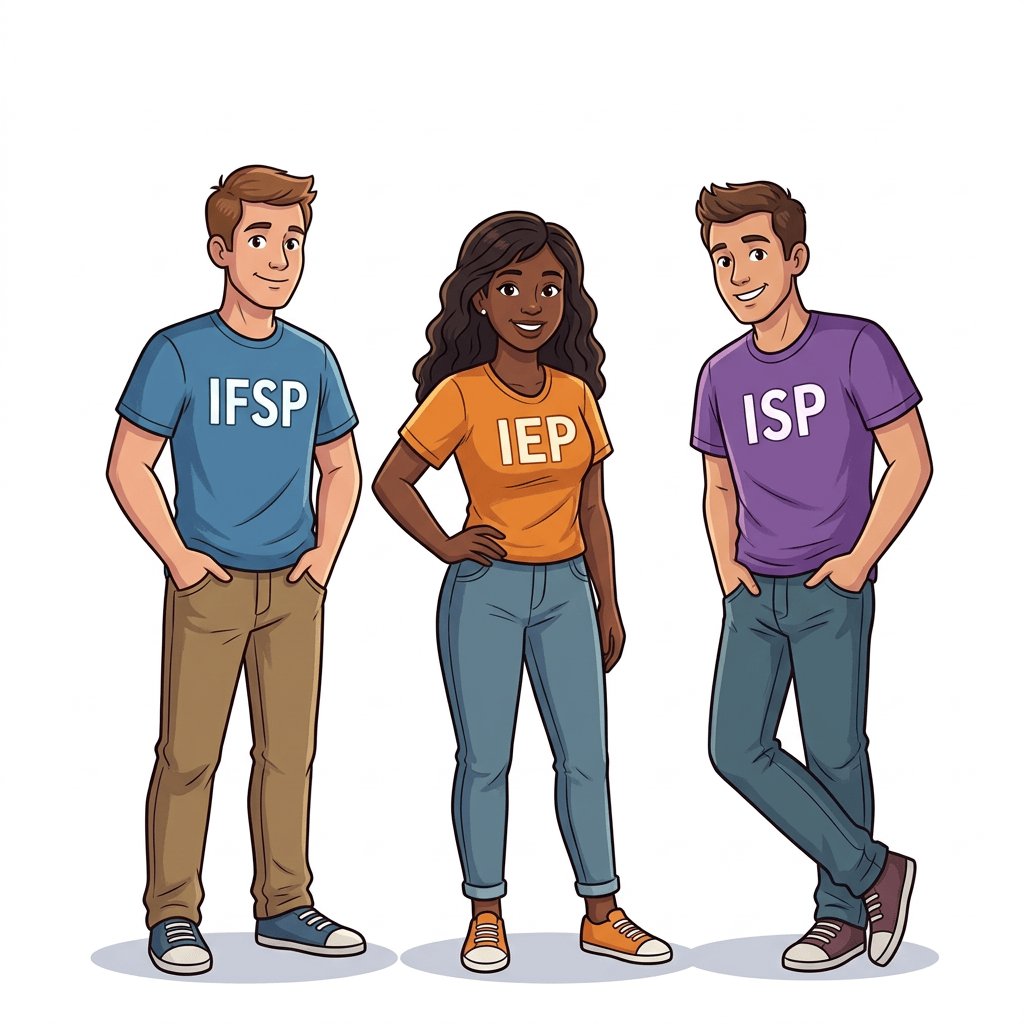
If you’ve just received a diagnosis for your child, you might be wondering: “Okay…now what?” And honestly? That’s a pretty reasonable question. Because there isn’t one giant “Special Needs Services” department that follows your child from birth through adulthood. Instead, you move through systems. Birth to 3. Preschool. School. High school. Adulthood. And every time… Continue reading
-
Guardianship and Alternatives: What Parents Need to Know When Your Child Becomes an Adult

Your child turns 18. There is a moment that sneaks up on a lot of special-needs parents. And suddenly, the person you have spent years taking to doctors, attending IEP meetings with, managing medications for, talking to therapists about, and helping make decisions for is legally an adult. You may still be doing most—or all—of… Continue reading
-
Caregiver Resources: Where Do You Even Start?
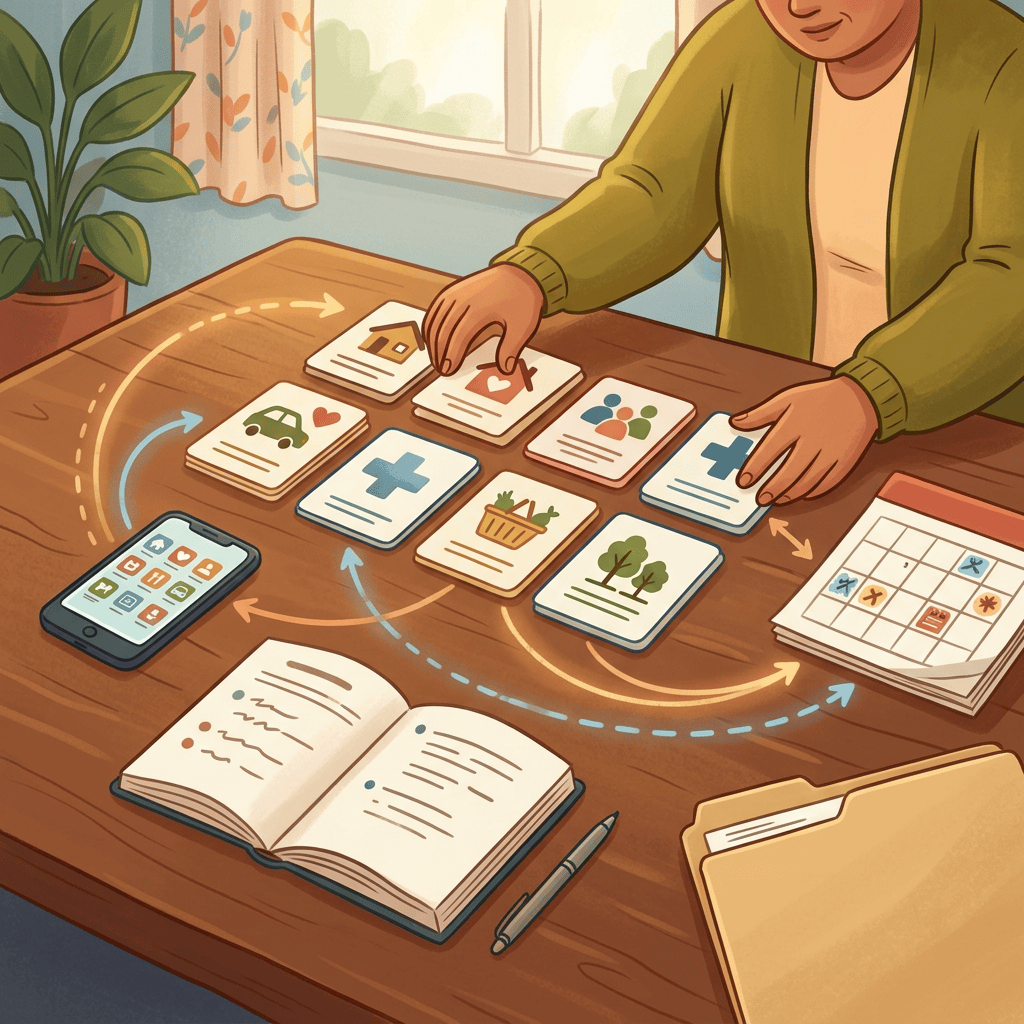
A general guide for finding help when you’re the person everyone depends on Let’s talk about something caregivers are really good at: Doing everything ourselves. Not because we necessarily want to. Because sometimes we don’t know what else to do. Someone needs an appointment. Someone needs transportation. Someone needs help bathing. Someone needs medication. Someone… Continue reading
-
Special Education Testing: What Are They Actually Testing My Child For?
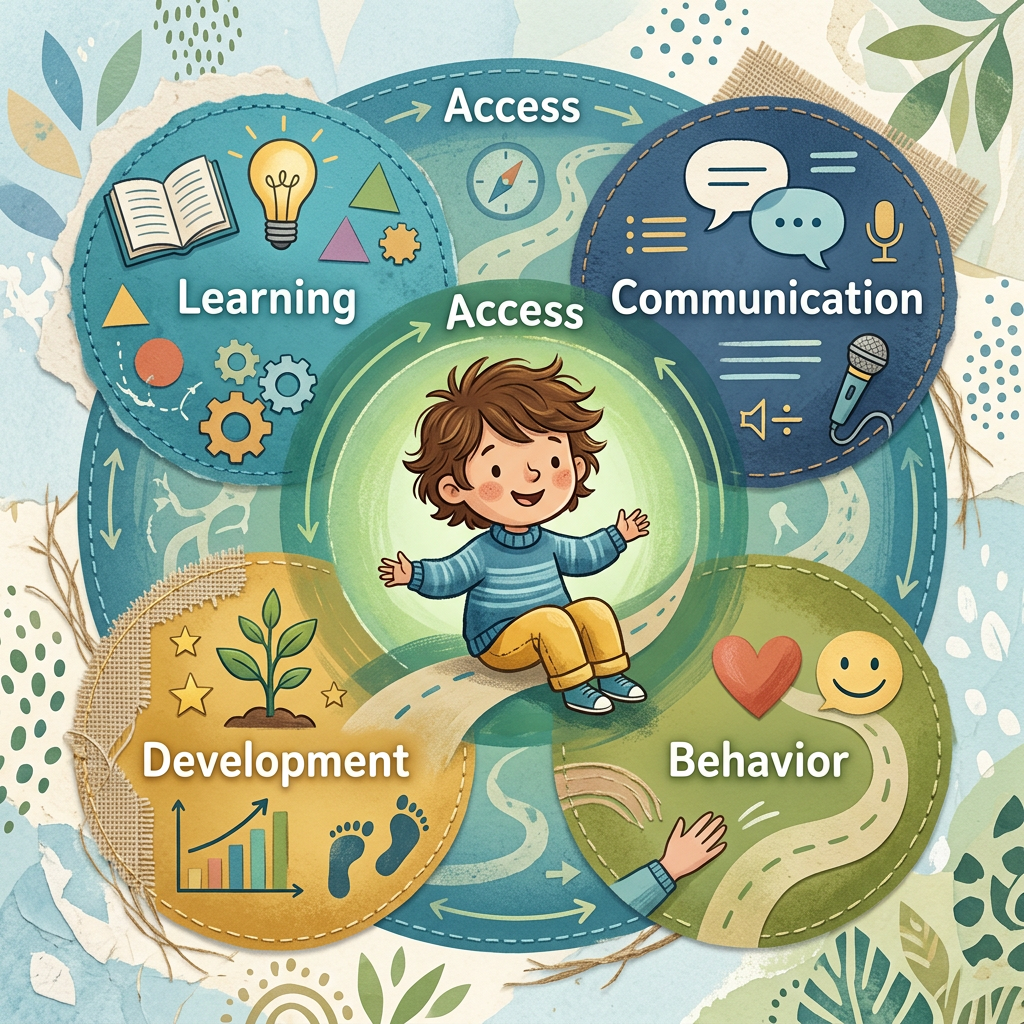
Special education eligibility is generally determined through a comprehensive evaluation—not one single test. The school is looking at multiple sources of information to determine: Whether the child has a disability category recognized under IDEA. How that disability affects the child’s educational performance. Whether the child needs specially designed instruction and/or related services. Common types of… Continue reading
-
IEPs: A Deep Dive Into Goals, Services, Accommodations, and What Parents Should Know
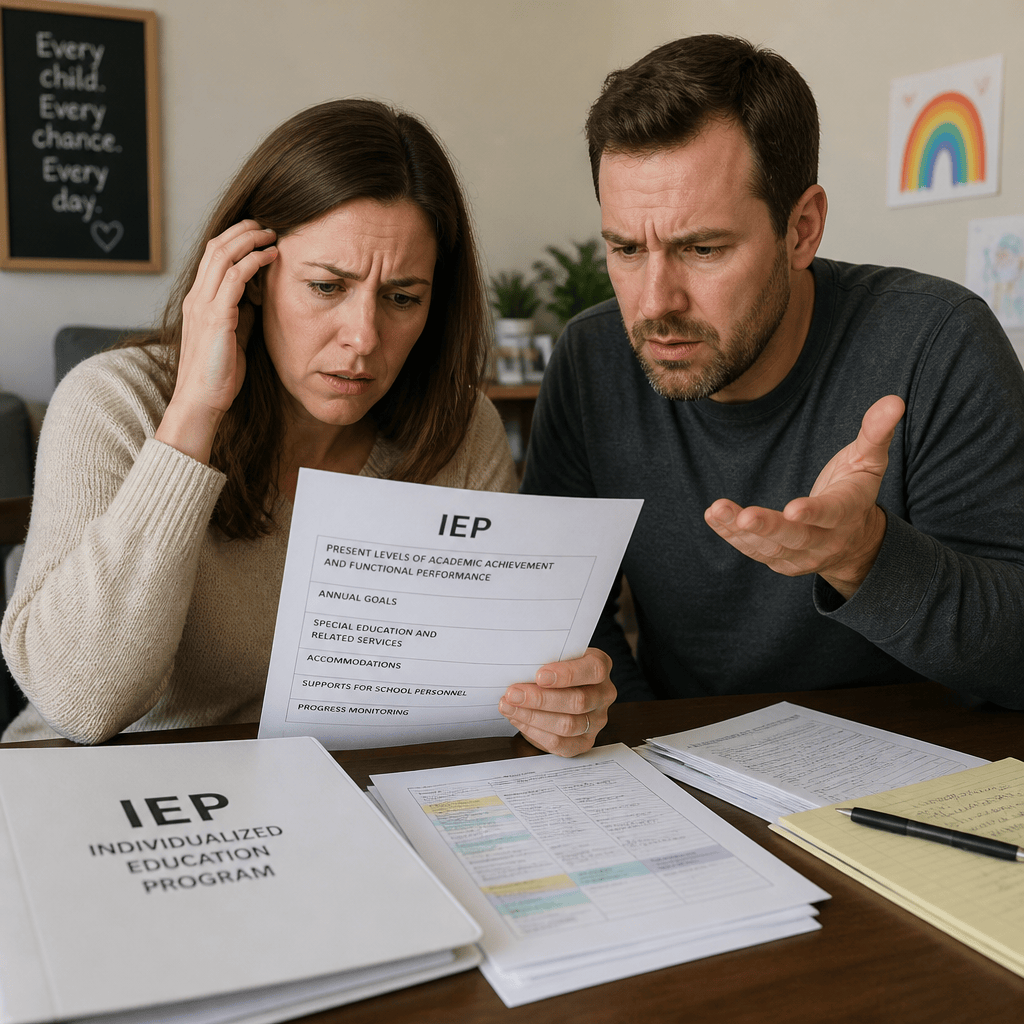
If your child has an IEP, you’ve probably received a document that contains enough acronyms, educational terminology, numbers, percentages, and legal language to make your head spin. And then someone hands it to you and says: “Let us know if you have any questions.” Um…I have approximately 47 questions. Let’s start with the most important… Continue reading
-
Your Child was Just Diagnosed. Now What?
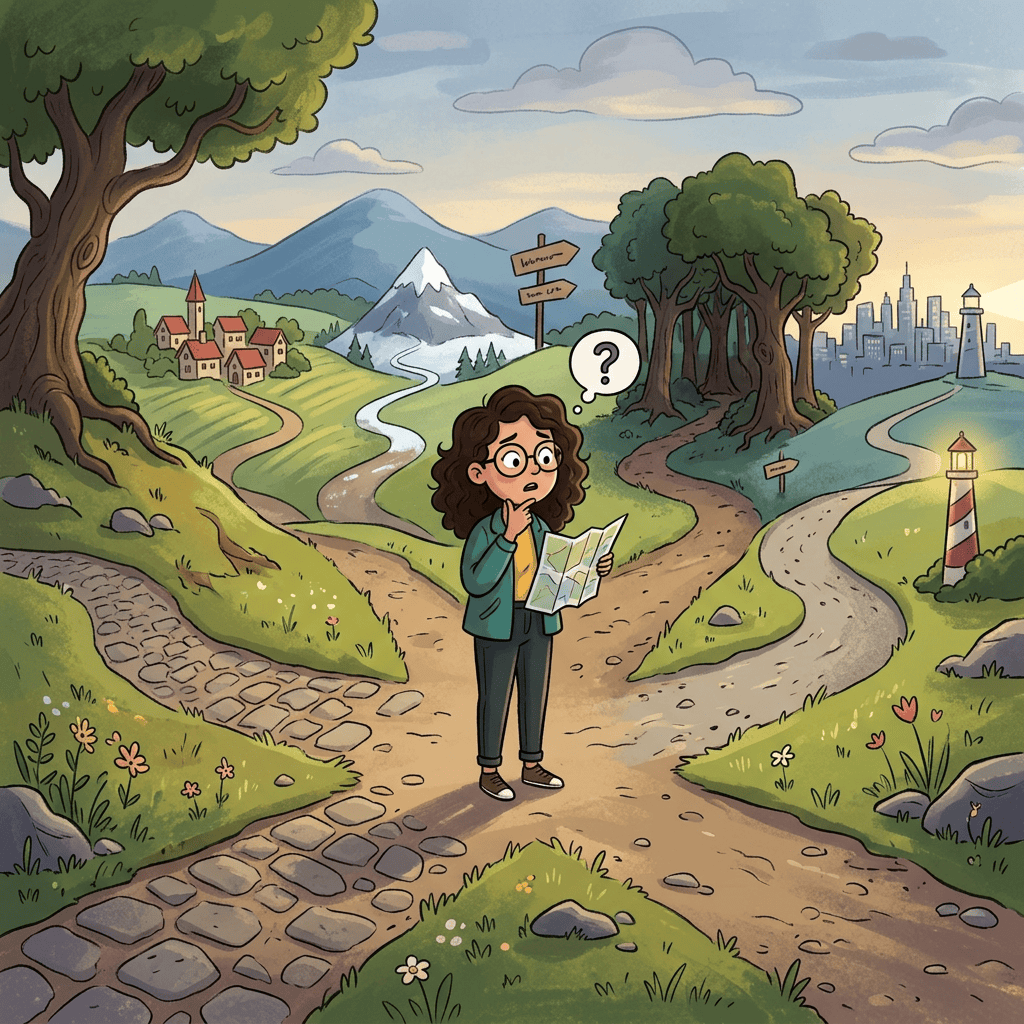
Take a deep breath or two. Seriously. If your child was just diagnosed with autism, a developmental disability, a learning disability, a mental health condition, a physical disability, or another condition that means your child may need additional support, you may currently be experiencing about 47 different emotions at the same time. Relief. Fear. Grief.… Continue reading

