
life
-
Put Your Own Oxygen Mask on First: Why Taking Care of Yourself Isn’t Selfish

If you’ve ever traveled by airplane, you’ve probably heard the familiar safety announcement: “In the event of an emergency, please put your own oxygen mask on before assisting others.” It’s a simple instruction, one we’ve heard countless times. But have you ever stopped to think about how much it applies to everyday life, especially for… Continue reading
-
The Special Needs Cliff: What Happens After High School?

Hey there folks. This is going to be a long one, as it’s one we have personally been working through for the past two years. As always, drop a comment if you have questions, or feel free to share helpful links as well! Today’s topic? The transition between high school and adulthood – and all… Continue reading
-
Why Parents Become Their Child’s Case Manager
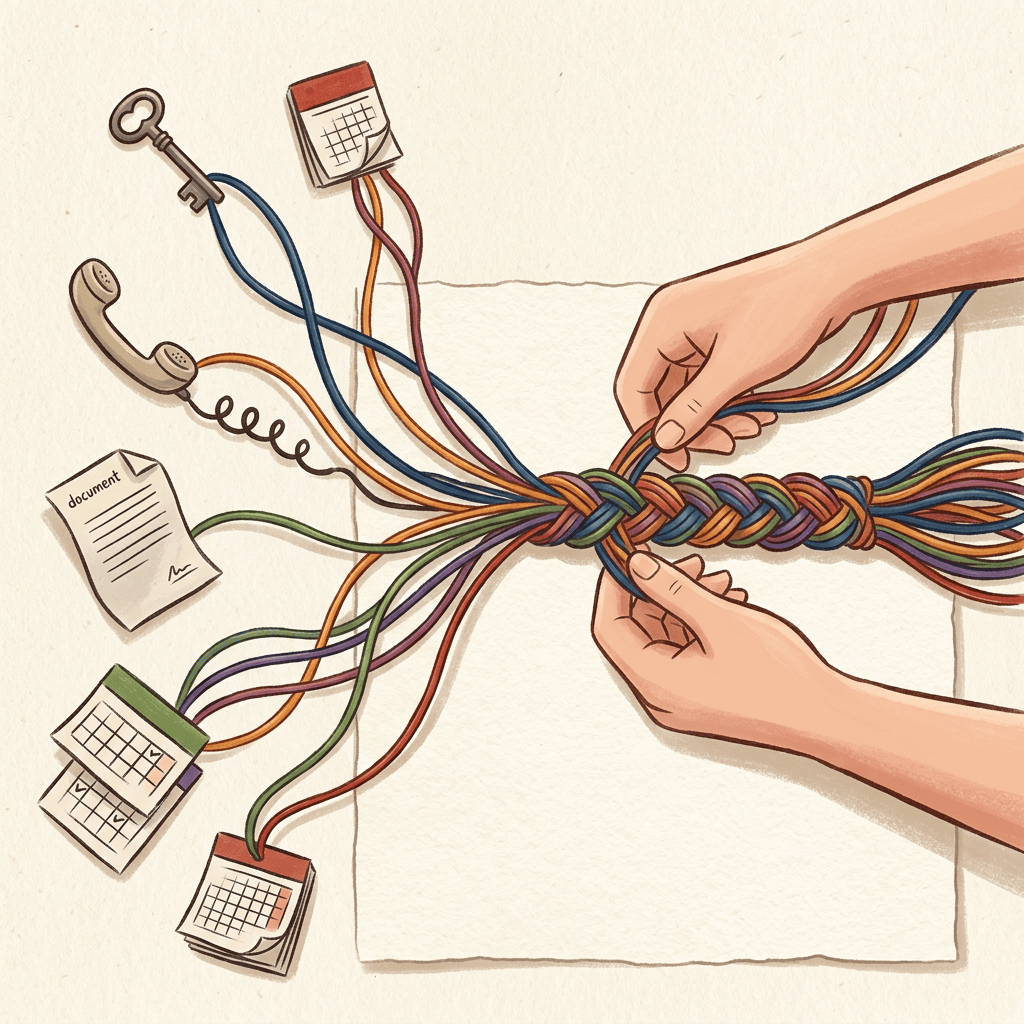
The job nobody gave you, but somehow you’re doing anyway Nobody ever sits you down after your child’s diagnosis and says: “Congratulations! You’ve just been promoted to unpaid case manager.” There is no orientation. No employee handbook. No salary. No vacation days. And definitely no one asking whether you’re available for the 4:47 p.m. phone… Continue reading
-
Why College Students / Young Adults Need a POA or DPOA

Your child turns 18. You celebrate. You might cry a little. You might wonder where the last 18 years went. And then, suddenly, something changes that nobody really puts on the giant parenting checklist: You are no longer automatically allowed to handle things for your child. Even if they’re still living at home. Even if… Continue reading
-
The Difficult Conversations Disability Forces Us to Have — and Why Every Family Should Have Them
There is something nobody tells you when you have a child with a disability. You are going to have conversations other parents may not have for another twenty years. Or thirty. Or ever. Not because you’re smarter. Not because you’re more prepared. And definitely not because you wanted to. Disability just has a way of… Continue reading
-
Supported Decision-Making: What Is an SDM Agreement and How Does It Work?

If you’ve been following my series about adulthood and disability, you’ve probably heard me talk about Supported Decision-Making, or SDM. And if you’re a parent who has spent years making appointments, answering questions, attending IEP meetings, managing paperwork, and helping your child navigate just about everything… you might be wondering: “Okay, but what does supported… Continue reading
-
Guardianship and Alternatives: What Parents Need to Know When Your Child Becomes an Adult

Your child turns 18. There is a moment that sneaks up on a lot of special-needs parents. And suddenly, the person you have spent years taking to doctors, attending IEP meetings with, managing medications for, talking to therapists about, and helping make decisions for is legally an adult. You may still be doing most—or all—of… Continue reading
-
Caregiver Resources: Where Do You Even Start?
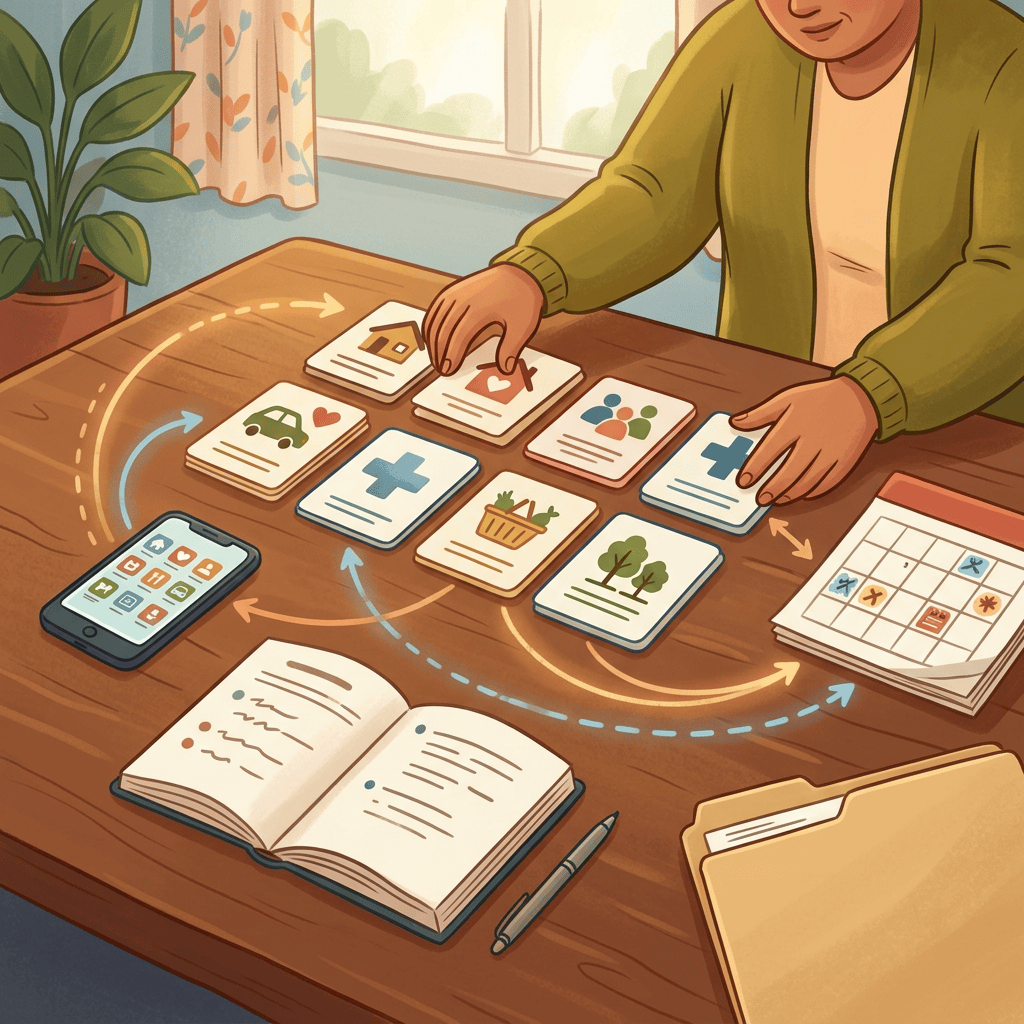
A general guide for finding help when you’re the person everyone depends on Let’s talk about something caregivers are really good at: Doing everything ourselves. Not because we necessarily want to. Because sometimes we don’t know what else to do. Someone needs an appointment. Someone needs transportation. Someone needs help bathing. Someone needs medication. Someone… Continue reading
-
IEPs: A Deep Dive Into Goals, Services, Accommodations, and What Parents Should Know

If your child has an IEP, you’ve probably received a document that contains enough acronyms, educational terminology, numbers, percentages, and legal language to make your head spin. And then someone hands it to you and says: “Let us know if you have any questions.” Um…I have approximately 47 questions. Let’s start with the most important… Continue reading
-
Your Child was Just Diagnosed. Now What?
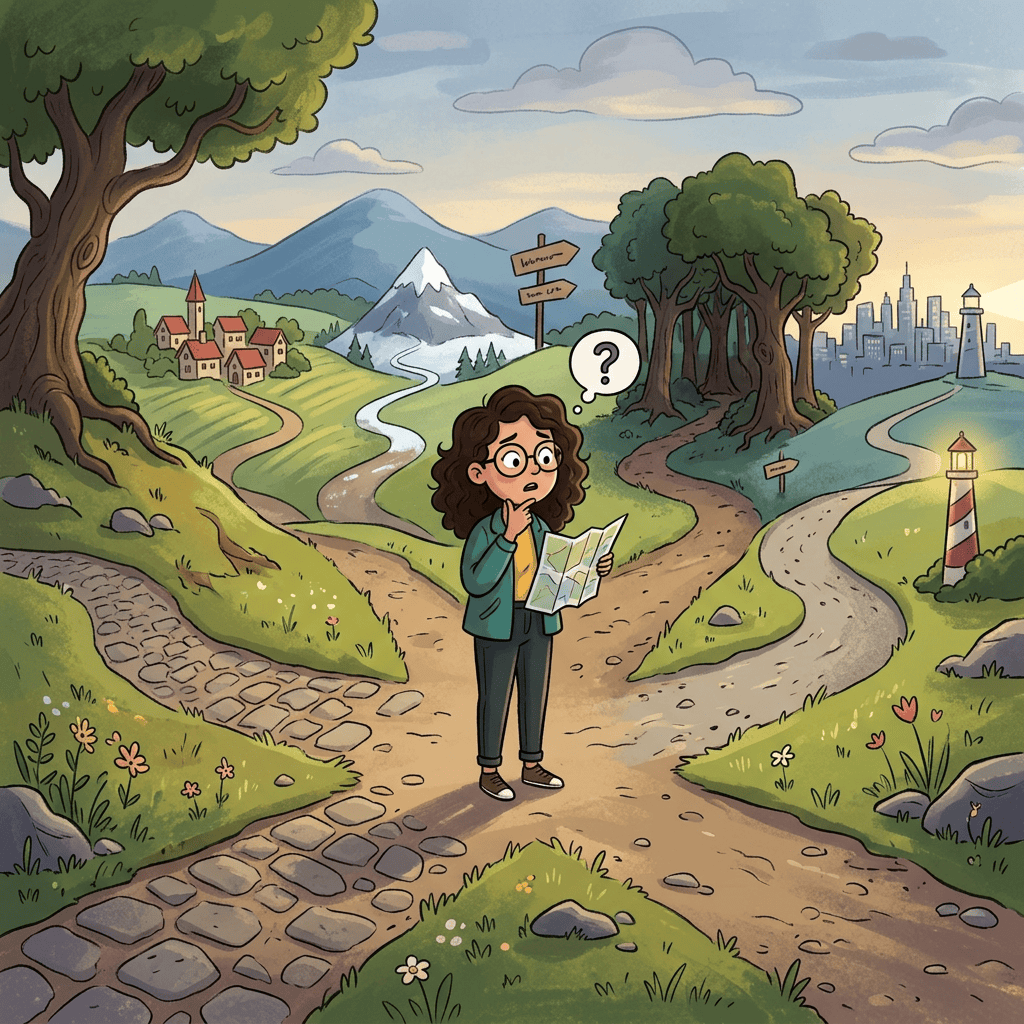
Take a deep breath or two. Seriously. If your child was just diagnosed with autism, a developmental disability, a learning disability, a mental health condition, a physical disability, or another condition that means your child may need additional support, you may currently be experiencing about 47 different emotions at the same time. Relief. Fear. Grief.… Continue reading

