
education
-
Why College Students / Young Adults Need a POA or DPOA

Your child turns 18. You celebrate. You might cry a little. You might wonder where the last 18 years went. And then, suddenly, something changes that nobody really puts on the giant parenting checklist: You are no longer automatically allowed to handle things for your child. Even if they’re still living at home. Even if… Continue reading
-
Birth to 3: What Is Early Intervention?
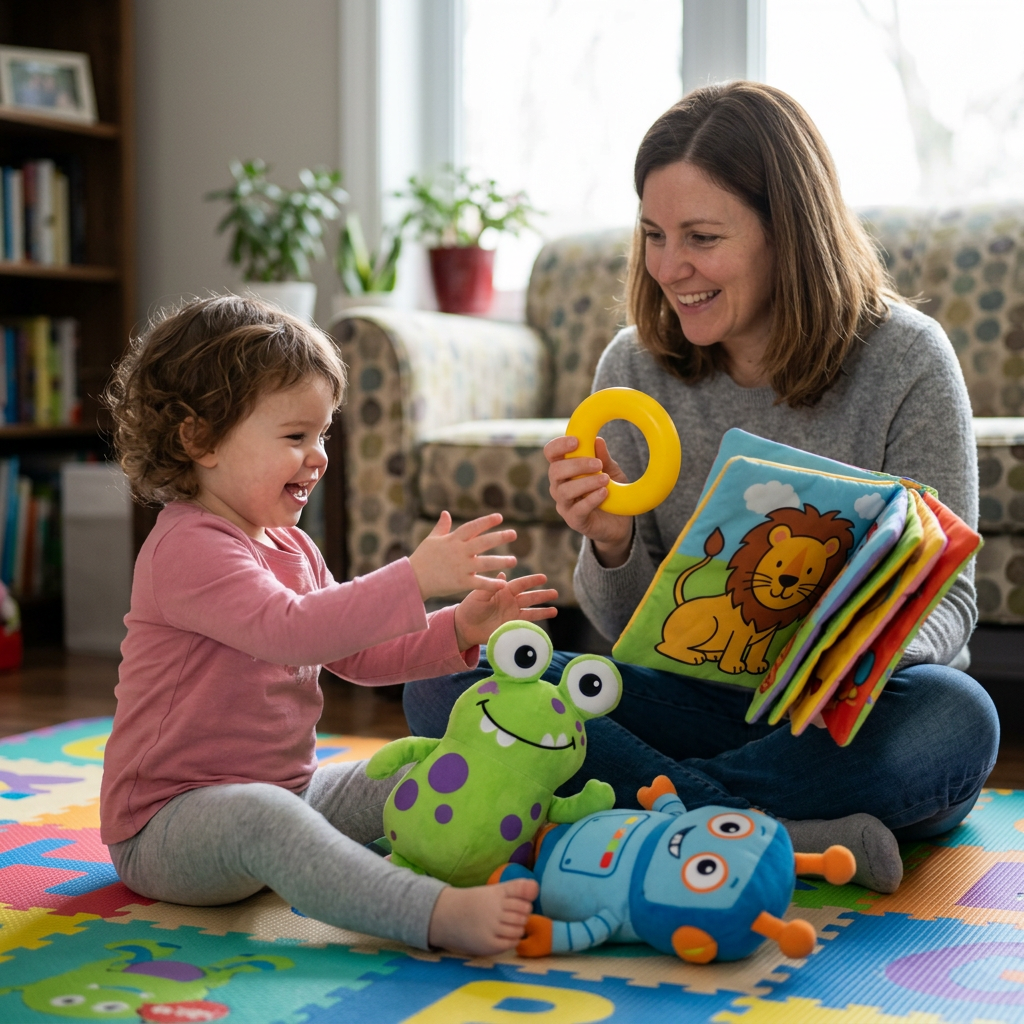
Your child is under three. You have concerns. What do you do now? If you’re a new parent and you’re worried about your child’s development, you may hear someone say: “Have you contacted Early Intervention?” And if you’ve never heard that phrase before, you might be thinking: What exactly is Early Intervention? Is it therapy?… Continue reading
-
Special Needs Services From Birth to Adulthood: A Parent’s Roadmap
If you’ve just received a diagnosis for your child, you might be wondering: “Okay…now what?” And honestly? That’s a pretty reasonable question. Because there isn’t one giant “Special Needs Services” department that follows your child from birth through adulthood. Instead, you move through systems. Birth to 3. Preschool. School. High school. Adulthood. And every time… Continue reading
-
What Makes a Good IFSP/IEP/CMH Adult Plan Goal?

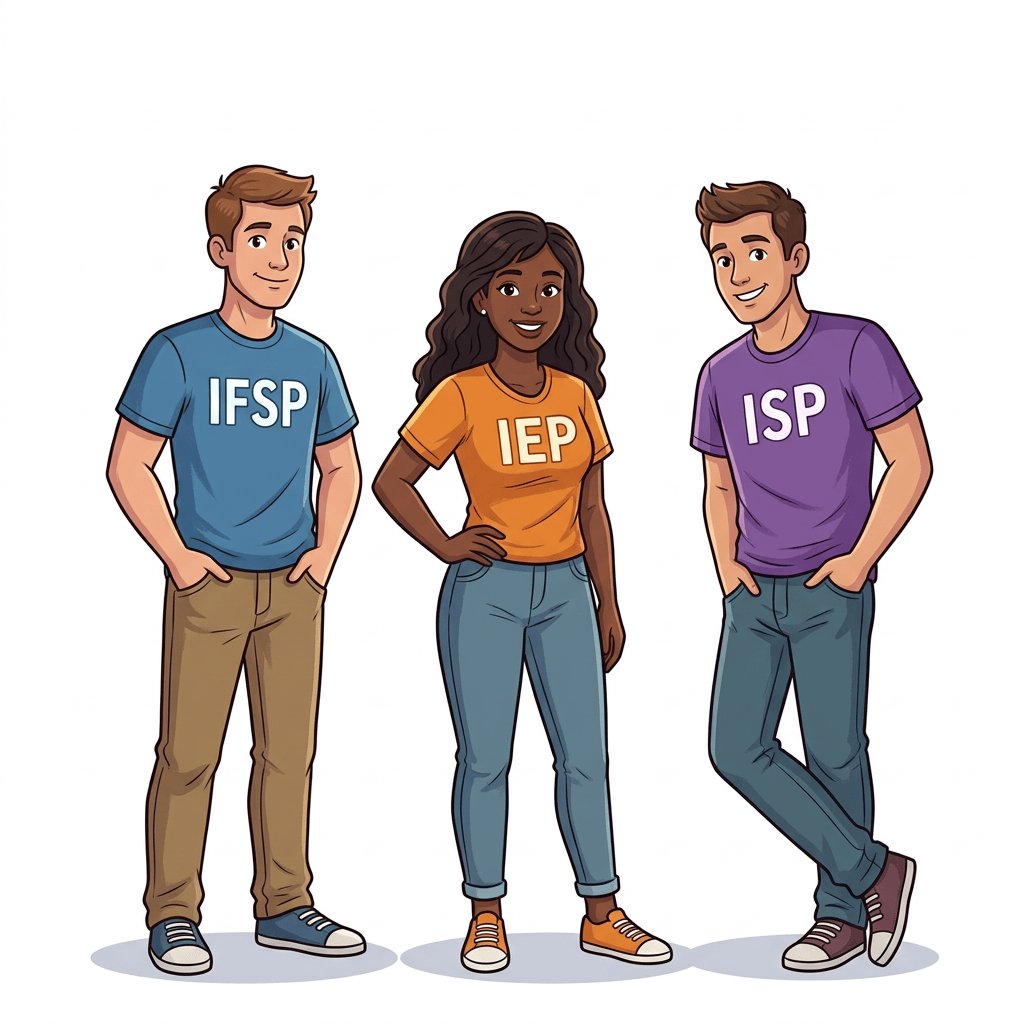
Bad, Okay, Good & Best Examples of Measurable Goals If you’ve been involved with special-needs services for any length of time, you’ve probably encountered a few different plans. There might be an IFSP when your child is little. Then comes the IEP once they enter special education. And eventually, depending on the person’s needs and… Continue reading
-
Special Education Testing: What Are They Actually Testing My Child For?
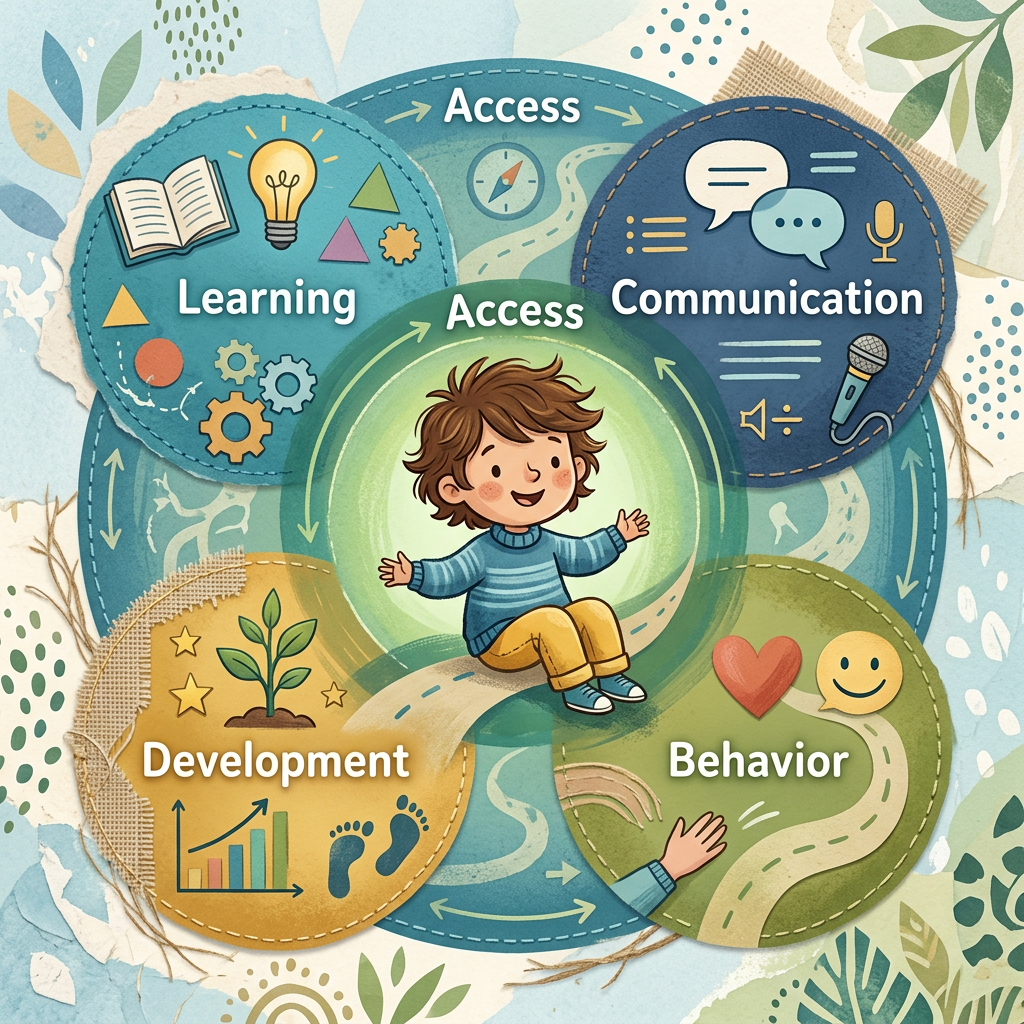
Special education eligibility is generally determined through a comprehensive evaluation—not one single test. The school is looking at multiple sources of information to determine: Whether the child has a disability category recognized under IDEA. How that disability affects the child’s educational performance. Whether the child needs specially designed instruction and/or related services. Common types of… Continue reading
-
The First Few Weeks of School: Common Special Education Problems Parents Should Watch For

The school year has started. Everyone has new shoes, new backpacks, new teachers, new schedules… And somewhere in the building, a special education parent is thinking: “Okay. Let’s see how this goes.” Because the first few weeks of school can be exciting. They can also be chaotic. For students receiving special education services, the beginning… Continue reading
-
IEP vs. 504: The Terms Parents Need to Know — and What to Do When the Plan Isn’t Followed

If your child has an IEP or a 504 Plan, you have probably been handed a mountain of paperwork containing enough acronyms to make your head spin. IDEA. IEP. FAPE. LRE. FBA. BIP. IEE. And then someone says, “We’ll put that in the PWN.” You smile and nod while thinking, What exactly did you just… Continue reading
-
School Calling for an “Early Pick-Up”? Why You Need It Documented as a Suspension 🎒

As a parent of a child with an Individualized Education Program (IEP) or a 504 Plan, you are likely used to working closely with your child’s school team. But there is one common scenario that catches many well-meaning parents off guard: receiving a phone call from the school asking you to come pick up your… Continue reading
-
IEPs: A Deep Dive Into Goals, Services, Accommodations, and What Parents Should Know
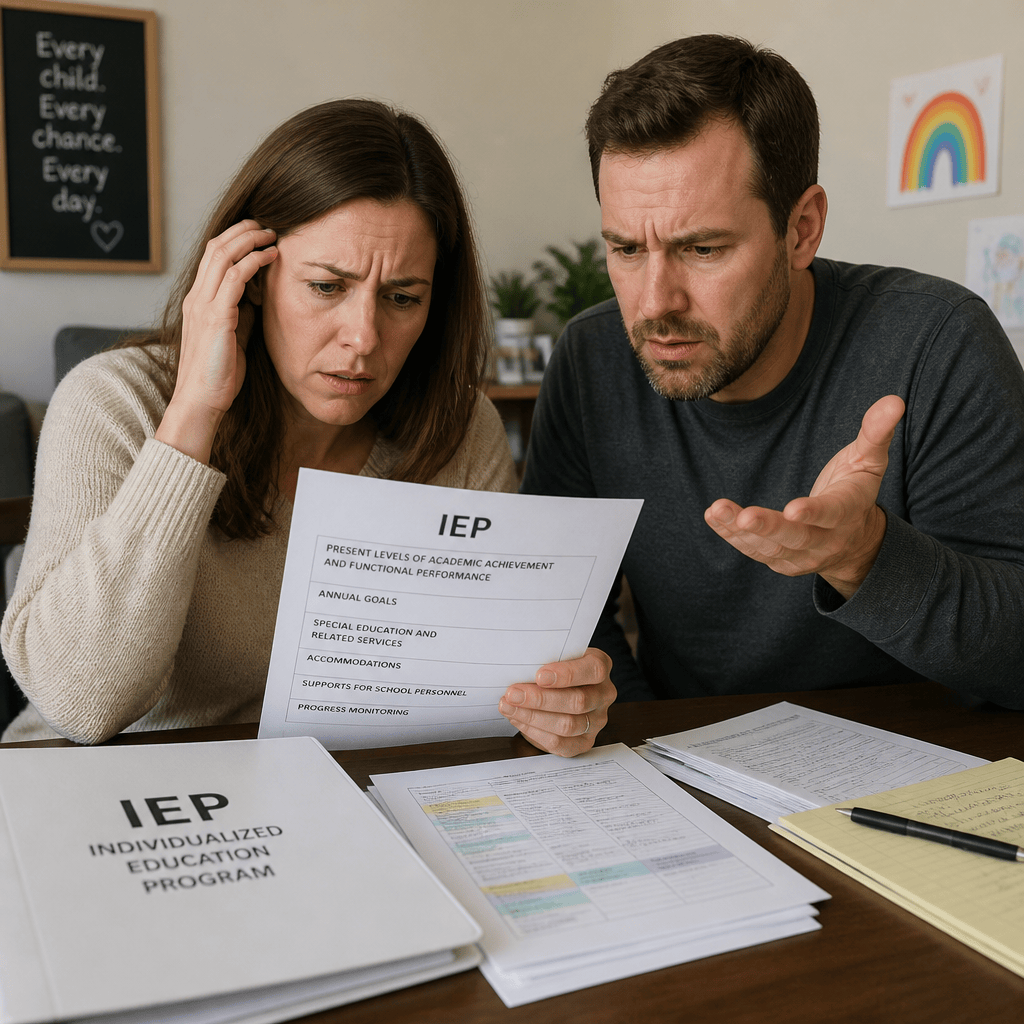
If your child has an IEP, you’ve probably received a document that contains enough acronyms, educational terminology, numbers, percentages, and legal language to make your head spin. And then someone hands it to you and says: “Let us know if you have any questions.” Um…I have approximately 47 questions. Let’s start with the most important… Continue reading
-
Your Child was Just Diagnosed. Now What?
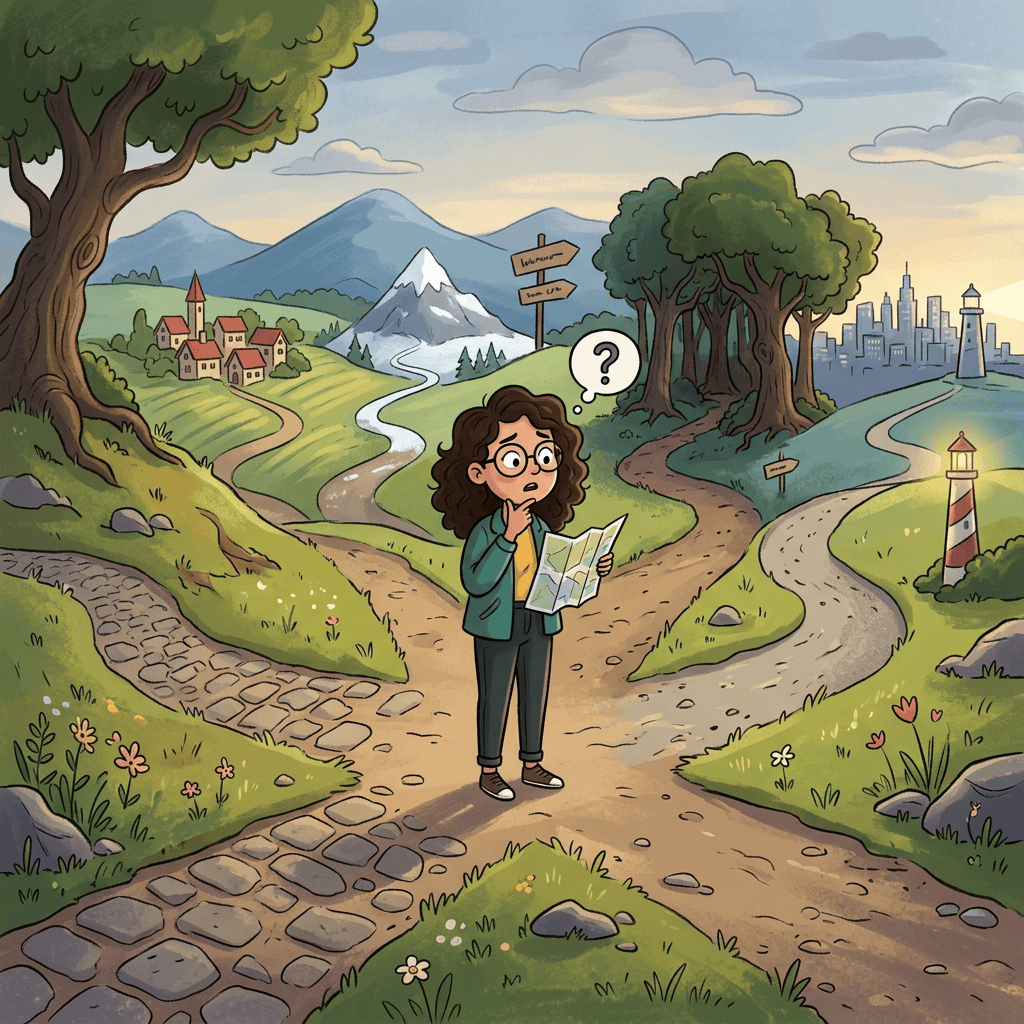
Take a deep breath or two. Seriously. If your child was just diagnosed with autism, a developmental disability, a learning disability, a mental health condition, a physical disability, or another condition that means your child may need additional support, you may currently be experiencing about 47 different emotions at the same time. Relief. Fear. Grief.… Continue reading

