
life
-
Best Shows for Representation of Disability

If you liked The Pitt for how it treats disability as part of real life—not just a diagnosis, a tragic backstory, or a miraculous recovery—there are some really good shows and movies worth watching. What makes The Pitt stand out is that it gives neurodivergent characters complexity, shows how healthcare systems can fail disabled patients,… Continue reading
-
What The Pitt Gets Right About Supported Decision-Making: Becca, Mel, and the Right to Make Your Own Choices

If you watched Season 2 of The Pitt, you may have noticed something that doesn’t get talked about nearly enough: Supported decision-making. And if you are the parent of an adult with a disability, this is one of those things I wish someone had explained to me much earlier. Because when your child turns 18,… Continue reading
-
Why College Students / Young Adults Need a POA or DPOA

Your child turns 18. You celebrate. You might cry a little. You might wonder where the last 18 years went. And then, suddenly, something changes that nobody really puts on the giant parenting checklist: You are no longer automatically allowed to handle things for your child. Even if they’re still living at home. Even if… Continue reading
-
Caregiver Help That Can Actually Help: Respite, Financial Assistance, and Where to Start

If you are a caregiver, there is a pretty good chance someone has told you: “Make sure you take care of yourself, too.” And then they gave you absolutely no idea how you are supposed to do that. Because taking care of yourself sounds great. But who is going to stay with your child? Who… Continue reading
-
When Is Guardianship Appropriate? Knowing When More Support Is Actually Necessary

We’ve talked about Supported Decision-Making. We’ve talked about powers of attorney. We’ve talked about patient advocate designations, HIPAA authorizations, representative payees, special needs trusts, and conservatorships. And after all of that, there is still an important question: When is guardianship actually appropriate? Because I don’t want to create the impression that guardianship is always wrong.… Continue reading
-
The Difficult Conversations Disability Forces Us to Have — and Why Every Family Should Have Them
There is something nobody tells you when you have a child with a disability. You are going to have conversations other parents may not have for another twenty years. Or thirty. Or ever. Not because you’re smarter. Not because you’re more prepared. And definitely not because you wanted to. Disability just has a way of… Continue reading
-
Supported Decision-Making: What Is an SDM Agreement and How Does It Work?

If you’ve been following my series about adulthood and disability, you’ve probably heard me talk about Supported Decision-Making, or SDM. And if you’re a parent who has spent years making appointments, answering questions, attending IEP meetings, managing paperwork, and helping your child navigate just about everything… you might be wondering: “Okay, but what does supported… Continue reading
-
Birth to 3: What Is Early Intervention?

Your child is under three. You have concerns. What do you do now? If you’re a new parent and you’re worried about your child’s development, you may hear someone say: “Have you contacted Early Intervention?” And if you’ve never heard that phrase before, you might be thinking: What exactly is Early Intervention? Is it therapy?… Continue reading
-
Special Needs Services From Birth to Adulthood: A Parent’s Roadmap
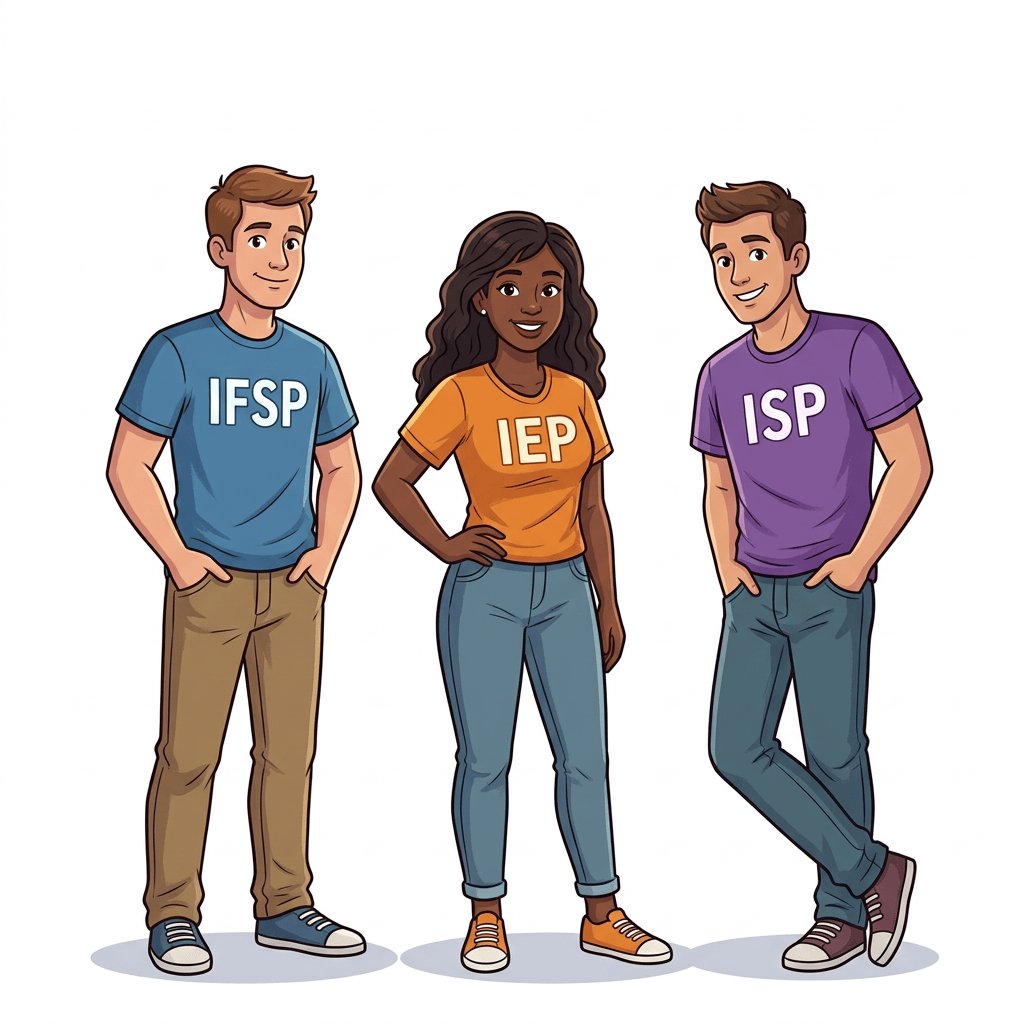
If you’ve just received a diagnosis for your child, you might be wondering: “Okay…now what?” And honestly? That’s a pretty reasonable question. Because there isn’t one giant “Special Needs Services” department that follows your child from birth through adulthood. Instead, you move through systems. Birth to 3. Preschool. School. High school. Adulthood. And every time… Continue reading
-
Guardianship and Alternatives: What Parents Need to Know When Your Child Becomes an Adult

Your child turns 18. There is a moment that sneaks up on a lot of special-needs parents. And suddenly, the person you have spent years taking to doctors, attending IEP meetings with, managing medications for, talking to therapists about, and helping make decisions for is legally an adult. You may still be doing most—or all—of… Continue reading

